Portugal’s Wool Sector: A Bioeconomy Opportunity for Circular Textiles
Portugal seeks to revitalize its wool sector, integrating it into the circular bioeconomy to valorize an underutilized natural resource and boost textile sustainability.

The recent proposal by the Portuguese Communist Party (PCP) for the valorization of Portugal’s wool sector highlights a critical opportunity for the country to integrate an abundant natural resource into the growing agendas of the bioeconomy and circular economy. This initiative comes at a time when sustainability and resource efficiency are becoming global imperatives, transforming wool from an often-discarded byproduct into a strategic asset.
Context and Evidence: The Portuguese Challenge and Global Potential
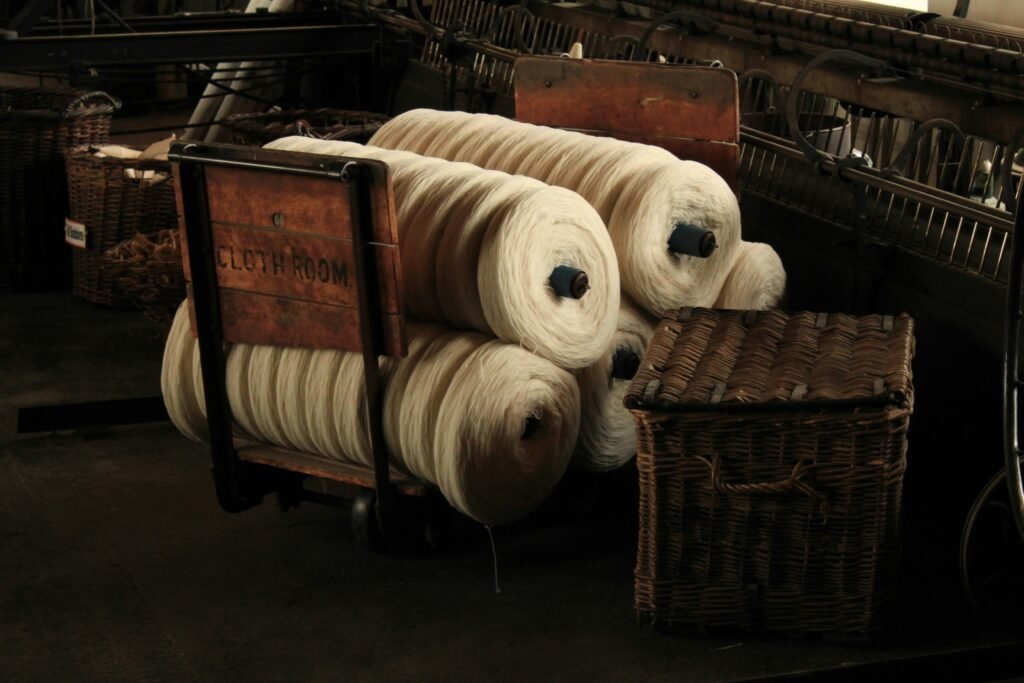
Portugal’s wool sector faces significant challenges, exemplified by the closure of the last national scouring plant, Têxtil Manuel Rodrigues Tavares. This event forced producers to rely on external washing services, compromising the economic viability and sovereignty of the value chain [1]. Wool production in Portugal has shown some fluctuation, with 4,753 tonnes recorded in 2024, after a peak of 6,218 tonnes in 2023 [2]. These figures, while modest on a global scale, represent a considerable volume of raw material with untapped potential.
Traditionally, wool processing, especially scouring, is water and energy-intensive, generating effluents with high chemical oxygen demand (COD), which can reach 45,000 mg/L [3]. However, technological innovations and bioeconomy approaches are transforming this scenario. Eco-efficient dry scouring methods and biological effluent treatments are emerging as solutions to mitigate environmental impact [4]. Furthermore, the valorization of byproducts, such as lanolin (wool grease), which can be converted into emollients for cosmetics, adds new economic dimensions to the sector [5].
Broader Implications: Wool in the Circular Bioeconomy
Wool, as a natural, renewable, and biodegradable fiber, is intrinsically aligned with the principles of the circular economy. Its durability and recyclability contribute to reducing textile waste and decreasing reliance on synthetic fibers. Globally, the wool industry is witnessing a growing emphasis on circular practices, with innovations ranging from fiber recycling to regenerative farming methods [6]. The creation of a national strategy for wool in Portugal, as proposed by the PCP, can catalyze innovation, promote the certification of national products, and ensure fair prices for producers, fully integrating them into this global transition.
The bioeconomy, which focuses on the sustainable production and utilization of biological resources, finds a paradigmatic example in wool. Instead of being viewed as waste, wool can be the basis for developing new bioproducts, beyond clothing, such as insulation, agricultural fertilizers, and composite materials. The transition to a more circular and bio-based economy requires investments in infrastructure, such as environmentally certified scouring plants, and in research and development to fully explore wool’s potential.
Actionable Insights
For Portugal to capitalize on the potential of its wool sector, collaboration among policymakers, industry, and academia is crucial. The implementation of a robust national strategy, including support for modernizing producers, incentives for processing innovation, and the creation of markets for wool bioproducts, is fundamental. Consumers also play a role by opting for certified and sustainable wool products, driving demand for a more responsible value chain. The valorization of wool is not just an economic issue but a vital step for environmental sustainability and the resilience of the Portuguese bioeconomy.
References
- PCP entrega Projecto de Resolução que Recomenda ao Governo a valorização da fileira da lã – Agroportal
- Produção de lã (t); Anual – Portal INE
- Treatment of strongflow wool scouring effluent by biological … – ScienceDirect
- Eco-Efficient Dry Wool Scouring with total by-products recovery – LIFE Programme
- Waste To wealth: Wool grease to cosmetic emollients – ResearchGate
- Wool set to gain from push towards a circular economy – The Woolmark Company