Beyond Plastic: Bagasse Revolutionizes Sustainable Gastronomy
Holy Carp leverages bagasse biotechnology to replace billions of single-use plastic packets, blending iconic design with sustainability.

The ubiquity of small, single-use plastic condiment packets in takeout orders has become one of the most visible challenges in urban waste management. The launch of Holy Carp, a fully compostable soy sauce dispenser, represents a significant step in the transition to a circular bioeconomy by replacing fossil-based polymers with plant fibers. This innovation not only addresses plastic pollution but also demonstrates how strategic design can preserve consumer experience while eliminating long-term environmental liabilities.
The Environmental Cost of Convenience
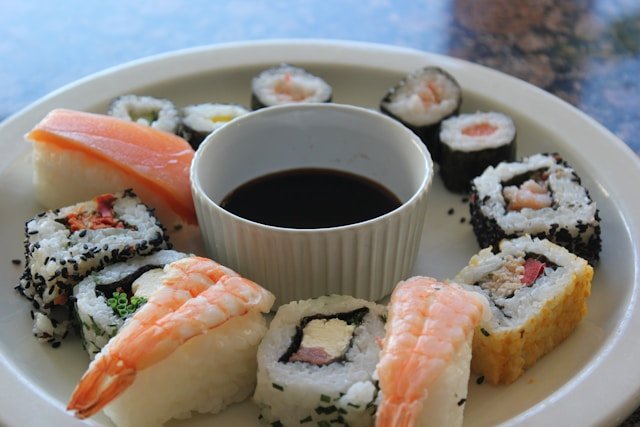
Global statistics reveal the magnitude of the problem: Greenpeace estimates that approximately 855 billion plastic sachets are discarded annually worldwide. In the sushi sector, the iconic fish-shaped bottles, while visually appealing, have a utilitarian lifespan of mere minutes but persist in the environment for up to 500 years. Since 1950, an estimated 8 to 12 billion of these plastic units have been produced, contributing significantly to the microplastic crisis in our oceans.
Holy Carp, developed by Australian studio Heliograf, breaks this cycle by utilizing sugarcane bagasse pulp, a byproduct of the sugar industry. The device consists of two interlocking pieces and has a 12ml capacity, tripling the volume of traditional packaging. The dispensing mechanism, located under the fish’s “eye,” eliminates the need for additional plastic caps, ensuring that 100% of the material is biodegradable within four to six weeks.
Economic Viability and Industrial Scale
The transition to bio-based packaging has historically faced cost barriers. However, market data indicates a convergence of prices: in 2018, sustainable alternatives cost up to 60% more than plastic; by 2025, this difference has narrowed to less than 15% in wholesale contracts. This scenario is driven by the growth of the bio-based packaging market, projected to reach US$ 36.42 billion by 2035, reflecting economies of scale and advancements in material biotechnology.
| Attribute | Traditional Plastic (PE/PET) | Holy Carp (Bagasse) |
|---|---|---|
| Decomposition Time | Up to 500 years | 4 to 6 weeks |
| Raw Material Origin | Fossil Fuels | Agro-industrial Waste |
| Recyclability | Low (food contamination) | High (home compostable) |
| Microplastic Impact | High | None |
Systemic Implications and Regulation
The adoption of solutions like Holy Carp comes at a time of unprecedented regulatory pressure. The European Union and Gulf Cooperation Council (GCC) countries are implementing stringent bans on single-use plastics, including condiment sachets, between 2024 and 2026. For foodservice stakeholders, migrating to plant fibers is no longer just an ethical choice but a necessity for legal compliance and mitigating reputational risks in a market increasingly driven by ESG criteria.
This innovation also highlights the potential of the circular economy to transform waste into high-value resources. By utilizing bagasse, the industry leverages an abundant biomass that would otherwise be discarded or burned for low-value energy generation. This model strengthens local supply chains and reduces the carbon footprint associated with transporting petroleum-derived polymers.
Future Outlook
For investors and policymakers, the success of initiatives like Heliograf’s signals that the future of packaging lies in biomimetics and materials science. The next critical step will be composting infrastructure: while Holy Carp is biodegradable, systemic effectiveness depends on collection systems that ensure proper disposal of these wastes. Stakeholders should closely monitor the evolution of bioplastic labeling standards and investment in integrated biorefineries, which promise to make bagasse the new commodity of the green economy.