The Unseen Infrastructure: Urban Trees as Climate Resilience Assets
Strategic urban forestry, emphasizing native species and robust funding, is crucial for climate resilience, economic stability, and sustainable urban development.

Urban centers globally face escalating climate challenges, from extreme heat to intensified rainfall. A critical yet often overlooked solution lies within the urban fabric itself: strategic urban forestry. This approach, advocating for trees as essential infrastructure, is gaining traction as cities seek sustainable pathways to resilience and economic vitality. In Brazil, the discussion around urban arborization has intensified, particularly in megacities like São Paulo. Experts, such as botanist Ricardo Cardim, highlight a significant problem: the lack of adequate planning, poor management, and the prevalent use of non-native species exacerbate the impacts of extreme climatic events [1]. Cardim argues that urban trees should be recognized and funded as essential urban infrastructure, requiring a “billionaire budget” comparable to other critical urban systems like roadworks or sanitation [2].
The Economic and Environmental Case for Green Infrastructure
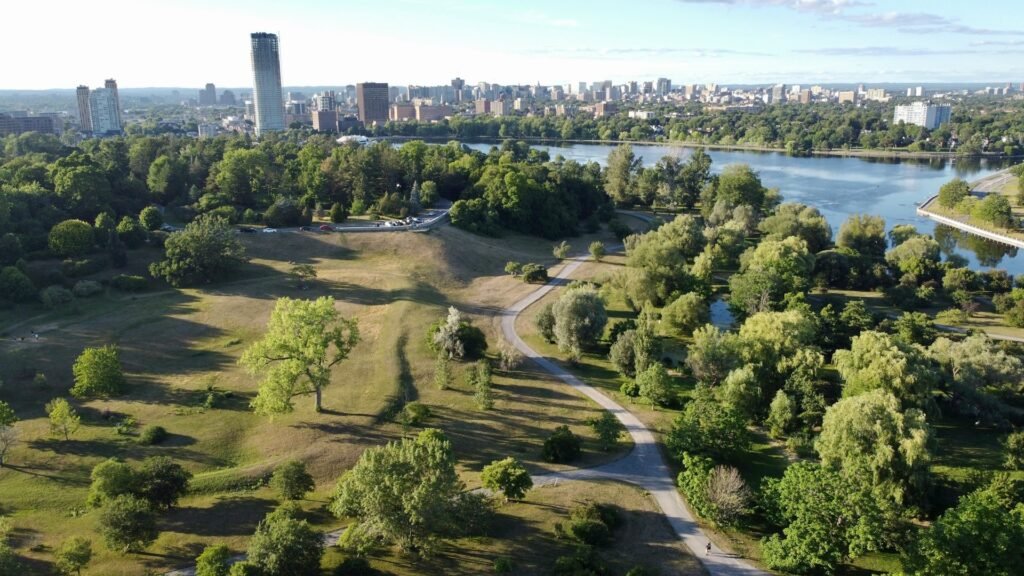
The economic benefits of robust urban forestry are substantial and multifaceted. Studies indicate that trees can reduce building cooling energy consumption by up to 60%, with significant savings observed across various climates [3]. Furthermore, properties in tree-lined areas can experience a 3% to 15% increase in value, underscoring the direct financial returns of green infrastructure [4]. Beyond direct savings, urban trees are potent mitigators of the urban heat island effect, which contributes to over 4% of summer deaths in cities. Increasing tree cover to 30% could prevent a third of these fatalities and cool cities by an average of 0.4°C [5].
Integrating urban forestry into broader bioeconomy and circular economy frameworks presents immense opportunities. Urban forests provide vital ecosystem services, such as air purification, stormwater management, and biodiversity support, all of which contribute to a more regenerative urban metabolism. The focus on native species, as championed by Cardim, is crucial for restoring ecological balance and enhancing local biodiversity, moving beyond mere aesthetic planting to genuine ecological restoration [6]. However, significant barriers persist, including insufficient public funding and a lack of specialized management. For instance, São Paulo’s proposed budget for its Municipal Secretariat of Green and Environment for 2026 is approximately R$ 744.21 million, a fraction of what would be needed to treat urban forestry as essential infrastructure [7].
Actionable Insights for Stakeholders
For cities to truly thrive in a changing climate, a paradigm shift in how urban trees are perceived and managed is imperative. Policymakers must prioritize substantial, long-term investments in urban forestry, establishing dedicated secretariats with expert teams focused on native species and holistic ecosystem management. This involves moving away from reactive maintenance to proactive, data-driven management strategies that account for the full lifecycle of urban trees.
Businesses can contribute by integrating green infrastructure into their developments and supporting local reforestation initiatives, recognizing the ESG benefits and enhanced property values. Investing in urban greening is not just a corporate social responsibility initiative; it is a strategic move to enhance the resilience and attractiveness of urban assets. Consumers, in turn, should advocate for greener urban spaces, understanding that every tree planted is an investment in public health, economic stability, and environmental resilience. The future of urban sustainability hinges on our collective commitment to nurturing our urban forests as the vital, living infrastructure they are.
References
- Folha de S.Paulo. (2026, January 12). Um problema que poucos veem e menos ainda querem resolver: a arborização urbana.
- Florestal Brasil. (n.d.). O colapso urbano exige mudança radical.
- Yang, C. (2025). Evaluating the role of urban trees on building energy use. ScienceDirect.
- Arborist Now. (2024). Urban Trees: Boosting Economy & Wildlife in Cities.
- PreventionWeb. (2023, February 1). Trees could prevent 30% of deaths caused by urban heat islands.
- Reuters. (2025, October 2). Ricardo Cardim on greening Brazil’s concrete jungle.
- Câmara Municipal de São Paulo. (2025, October 13). Orçamento 2026: projeto prevê R$ 744,21 milhões para a Secretaria Municipal do Verde e do Meio Ambiente.